The news
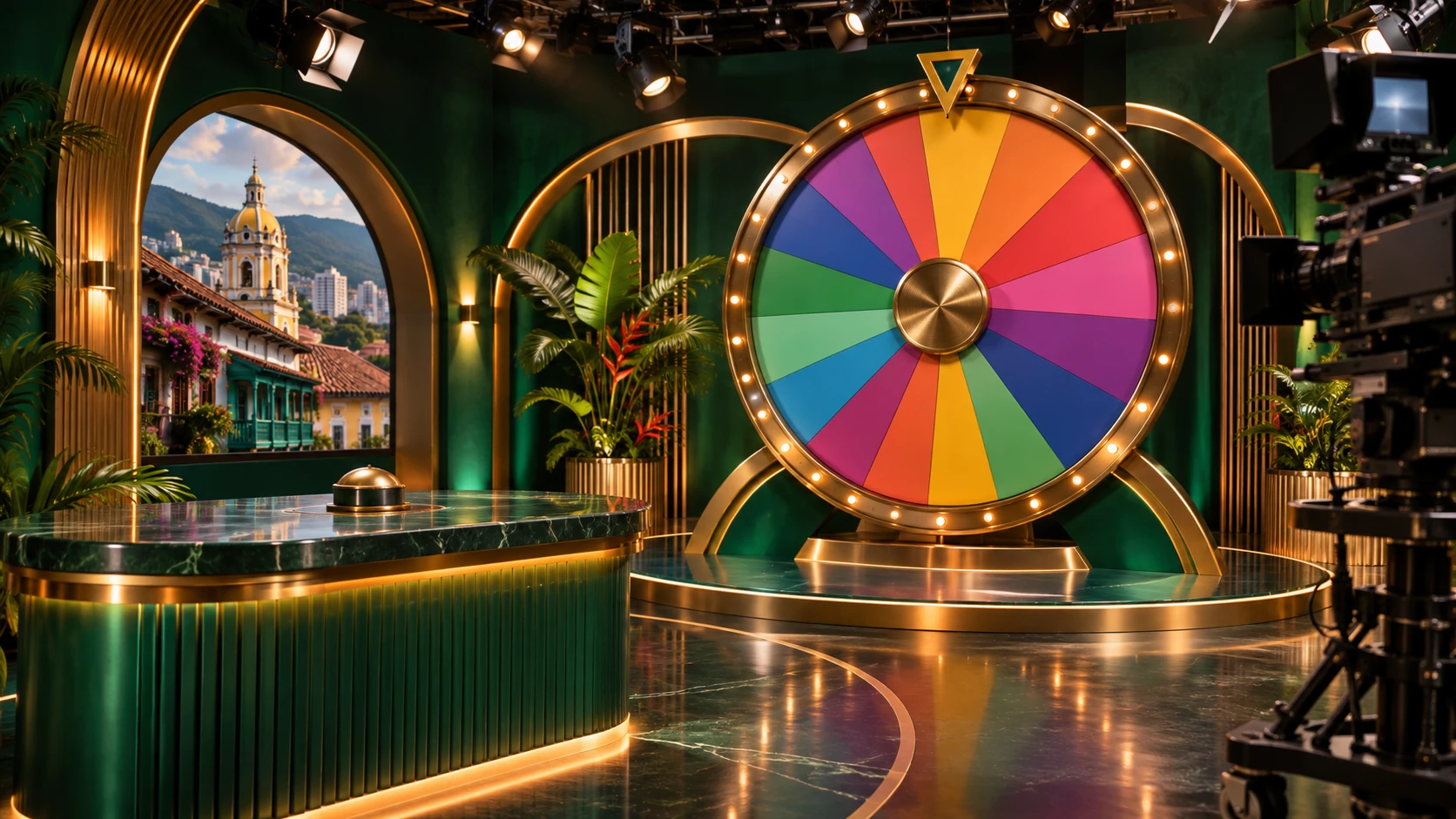
Pragmatic Play announced Mega Wheel Latino on 14 October 2026, with Spanish-speaking presenters broadcasting from a dedicated Colombian studio. G3 Newswire also reported the launch. The product adapts an existing wheel-based live game-show format for a Latin American audience; the announcement does not disclose commercial results.
Analysis: more than translating a lobby
The editorial significance is where localisation happens. Translating a menu changes the route into a product. Changing the live presentation changes the experience after someone enters it. In a recorded or software-only format, language can sit mainly in labels and instructions. In a live show, tone, pacing and explanations are part of the product itself. That makes the studio a component of the regional proposition, rather than simply a production facility behind an international stream.
This distinction also changes how an operator can describe its offer. A localised landing page and a localised live programme are different forms of differentiation. The first can help somebody understand navigation; the second can shape the character of the session. Neither automatically proves greater demand or customer satisfaction. Those are outcomes that would require evidence beyond a launch announcement. The useful observation here is the product decision, not an invented claim about its success.
A regional format still meets different audiences
Latin America is a commercial region, not a single uniform audience. A Spanish-language presentation does not encompass every language used across it, and a familiar format can still be encountered in very different brand environments. That is why the launch is best understood as a specific localisation choice rather than a claim to have solved the region as a whole. The same distinction applies to global operators that use one catalogue across several customer-facing brands.
A shared underlying format can offer continuity while the presentation changes. For suppliers, that creates a different development question from building every regional edition from scratch: which elements belong to the recognisable format, and which can vary without making the experience confusing? For operators, it makes the presentation layer part of the editorial identity of the lobby. These are product implications inferred by AIGaming Insights, not additional claims made by the companies.
Why the industry should watch the presentation layer
As catalogues expand, a lobby can list many products whose thumbnails alone explain little about the experience inside. Language, the visible host and the style of production can provide more useful signals than another category label. That does not mean every service needs a dedicated programme. It means that content differentiation can occur within a familiar game type, without depending on a new mathematical format or an entirely new category.
The most interesting future evidence would concern how the regional edition is presented and maintained over time: whether its identity remains consistent, how operators explain the format and whether the published programme continues to match the positioning. The sources reviewed here establish the launch and its language-and-studio approach. They do not establish a market-share change, a revenue effect or availability on every operator. The news is a concrete example of localisation moving from the surrounding website into the live content itself.
That makes language a content-design question as well as a website setting.
Source date
Sources & references
Choose a language to read the news.: 13 Oct 2026